“Natural” in Cosmetics: What It Really Means
How to tell what “natural” really means in cosmetics—and when it’s just marketing.

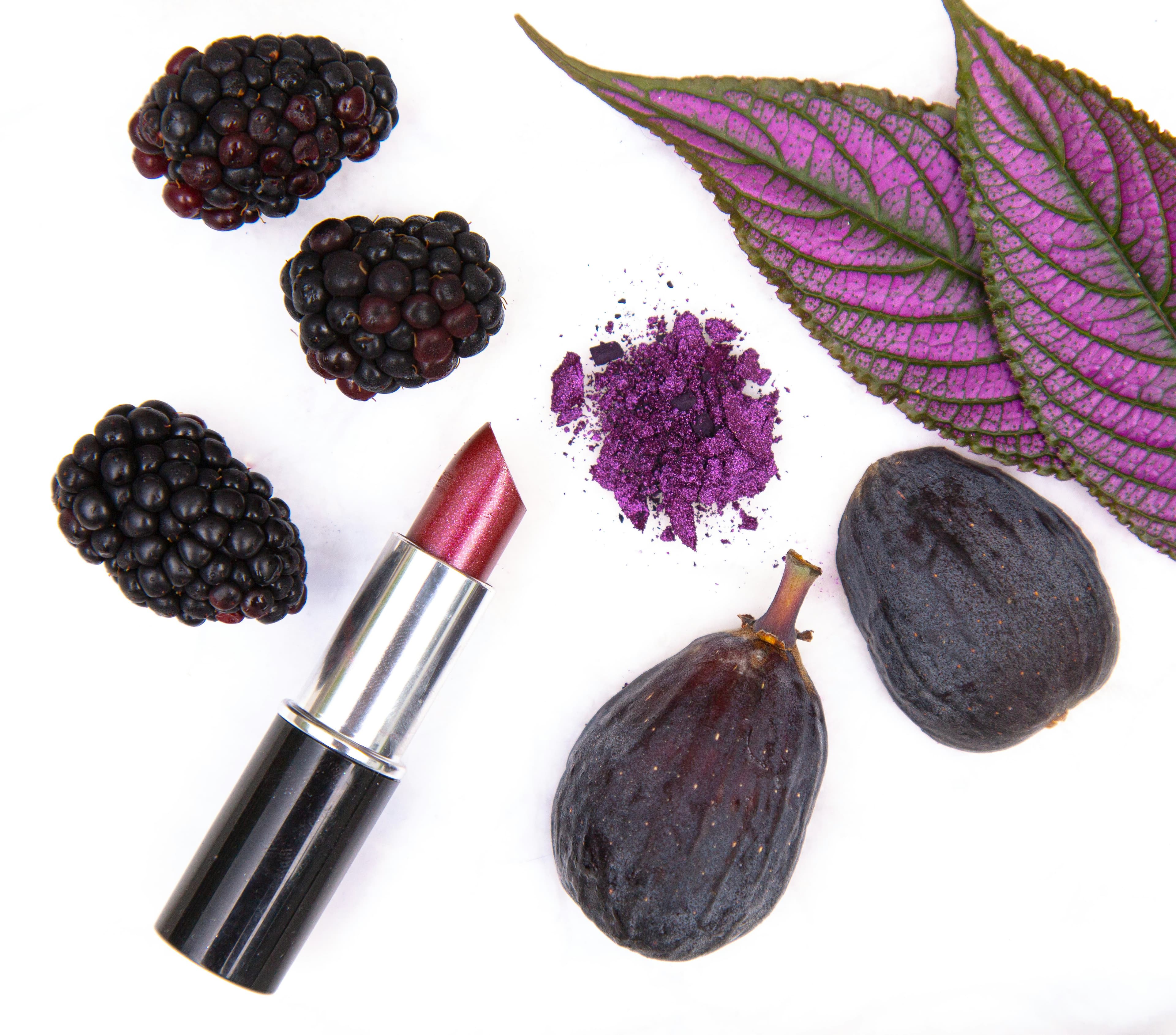
Photo: Carolyn Delacorte for Unsplash
The word “natural” carries strong consumer appeal. But what does it actually mean in cosmetics?
While the FDA has sought public input on how “natural” is defined in food—without establishing a formal definition—there is no comparable effort or definition for cosmetics.
“Natural” is also often confused with organic, though the two are defined differently in cosmetics. For a closer look, see Organic Cosmetics: What the Label Really Means.
In beauty, the term "natural" can suggest many things—from plant-based ingredients to fewer synthetics or gentler formulations. Yet “natural,” “all natural,” and “naturally derived” have no single regulatory definition in the United States.
That gap matters. It allows the term to stretch in meaning, often leaving interpretation up to the consumer.
As a result, while natural cosmetics are among the fastest-growing segments in the industry, the meaning of the label remains inconsistent—and often unclear.
How “Natural” Entered Beauty
As with “organic,” the concept of “natural” in cosmetics grew out of food culture. As interest in ingredient sourcing, processing, and environmental impact increased, expectations once tied to food began extending into personal care.
Brands responded by adopting “natural” language—often before any cosmetics-specific framework existed.
In the United States, there is no formal regulatory definition of “natural” for cosmetics. Even in food, the FDA has not established a strict definition, relying instead on general guidance and ongoing consumer input.
The result is a term that can be used broadly across the category. Sometimes it reflects formulations aligned with established standards. Other times, it signals little more than the absence of a short list of ingredients.
Because “natural” is not a regulated cosmetics claim, the word on its own does not communicate how ingredients are sourced, processed, or quantified within a formula.
Unless it is tied to a recognized certification or technical framework, “natural” remains descriptive—not verifiable.
ISO 16128 Standard
ISO 16128 is an international standard that defines how “natural” content in cosmetics is categorized and calculated.
It provides a method for assigning a “natural origin index,” but does not set minimum thresholds or certify products. Instead, it offers a calculation-based approach that may be used by brands or third parties to quantify “natural” content.
COSMOS - Natural Standard
COSMOS is an international standard created by multiple European certification bodies, including ECOCERT (France), COSMEBIO (France), BDIH (Germany), ICEA (Italy), and the Soil Association (UK). These organizations certify products to the same COSMOS standard, even though different logos may appear on packaging. The standard distinguishes between two tiers: Organic and Natural, which differ significantly in how organic content is defined and required.
To qualify for COSMOS Natural, no minimum organic content is required but ingredients must meet sourcing and processing criteria.This standard limits petrochemicals, GMOs, irradiation, and certain chemical processes. Approved synthetics are allowed when necessary for safety or stability.
COSMOS maintains a public database of certified products, making verification possible for consumers willing to look beyond the front label. COSMOS Natural–certified brands/products can be found here.
ECOCERT - COSMOS Natural
ECOCERT is one of the certification bodies that assesses products against COSMOS criteria. When a product carries the ECOCERT logo under COSMOS Natural, it indicates that the certification was performed by ECOCERT—not that a different or stricter standard applies.
The requirements are defined by COSMOS, and under the Natural tier, no minimum organic content is required. Instead, the certification reflects adherence to sourcing and processing rules, with restrictions on petrochemicals, GMOs, irradiation, and certain chemical processes.
In this context, the ECOCERT logo identifies the certifier, while the COSMOS Natural designation defines what standards were met.
In addition to cosmetics and its own proprietary standards, ECOCERT verifies over 150 standards across sectors including household products, textiles, and forestry.
NATRUE Natural Cosmetics
NATRUE, founded by the International Natural and Organic Cosmetics Association, is one of the more widely recognized natural cosmetics standards.
Under the NATRUE Natural tier, products must be composed exclusively of natural, derived natural, or natural-identical substances, as defined by the standard. Synthetic ingredients are tightly restricted.
Unlike many certification systems, NATRUE certification is granted at the brand or sub-brand level—not per individual product.
This means that while a brand may carry the NATRUE designation, not every product is evaluated independently.
NATRUE includes a higher tier for organic cosmetics, but most certified brands fall under its Natural classification.
USDA BioPreferred
Some products carry the emblem of the USDA BioPreferred program, a federal initiative administered by the U.S. Department of Agriculture.
Unlike cosmetics-specific standards that evaluate ingredient identity or processing, BioPreferred focuses on a single, measurable question: how much of a product’s carbon content comes from renewable biological sources, such as plants or forestry materials, rather than fossil fuels.
Certification is based on independent laboratory testing using a carbon-14 isotope method that distinguishes biobased carbon from petroleum-derived carbon.
BioPreferred does not assess how ingredients are processed, whether synthetics are used, or how a product is formulated. The program can apply to both finished products and certain packaging materials, and extends beyond cosmetics into multiple product categories.
Are “Natural” Cosmetics Better or Safer?
“Natural” does not automatically mean a product is safer, milder, more effective, or environmentally superior.
Natural ingredients can still oxidize, sensitize, spoil, or underperform if poorly formulated.
Safety and performance depend on formulation quality—supported by laboratory, consumer, and clinical data—not just ingredient origin.
In other words, “natural” describes origin—not performance.
How to Read a Natural Claim As a Pro
Because “natural” is not a regulated cosmetics claim, understanding how it’s used on labels is essential.
When evaluating a “natural” claim:
Ask which standard applies—not how the claim sounds.
Look for a recognizable certifying body or framework.
For claims like “natural origin” or “made with natural ingredients,” look for a percentage—and how it was calculated.
If no standard is named, “natural” is descriptive—not verifiable.
A product without a natural certification isn’t inherently inferior, and one with a certification isn’t automatically superior. What matters is transparency, context, and evidence.
“Natural” is just one of many terms used to shape how products are perceived. Claims like “non-toxic” or “clinical grade” follow similar patterns—often sounding precise, but lacking consistent definitions. For a broader look, see From Non-Toxic to Clinical Grade: Decoding Buzzy Cosmetic Claims.
Birnur Aral, PhD, is a chemical engineer and consumer product expert with a career spanning research and development, testing, and sustainability. She brings a rigorous, evidence-first lens to product claims and consumer-facing topics.