What Experts Actually Look for in Kids’ Products
Safety certifications are just the starting point. Learn what experts actually consider when evaluating kids’ products for real-world use, development, and longevity.

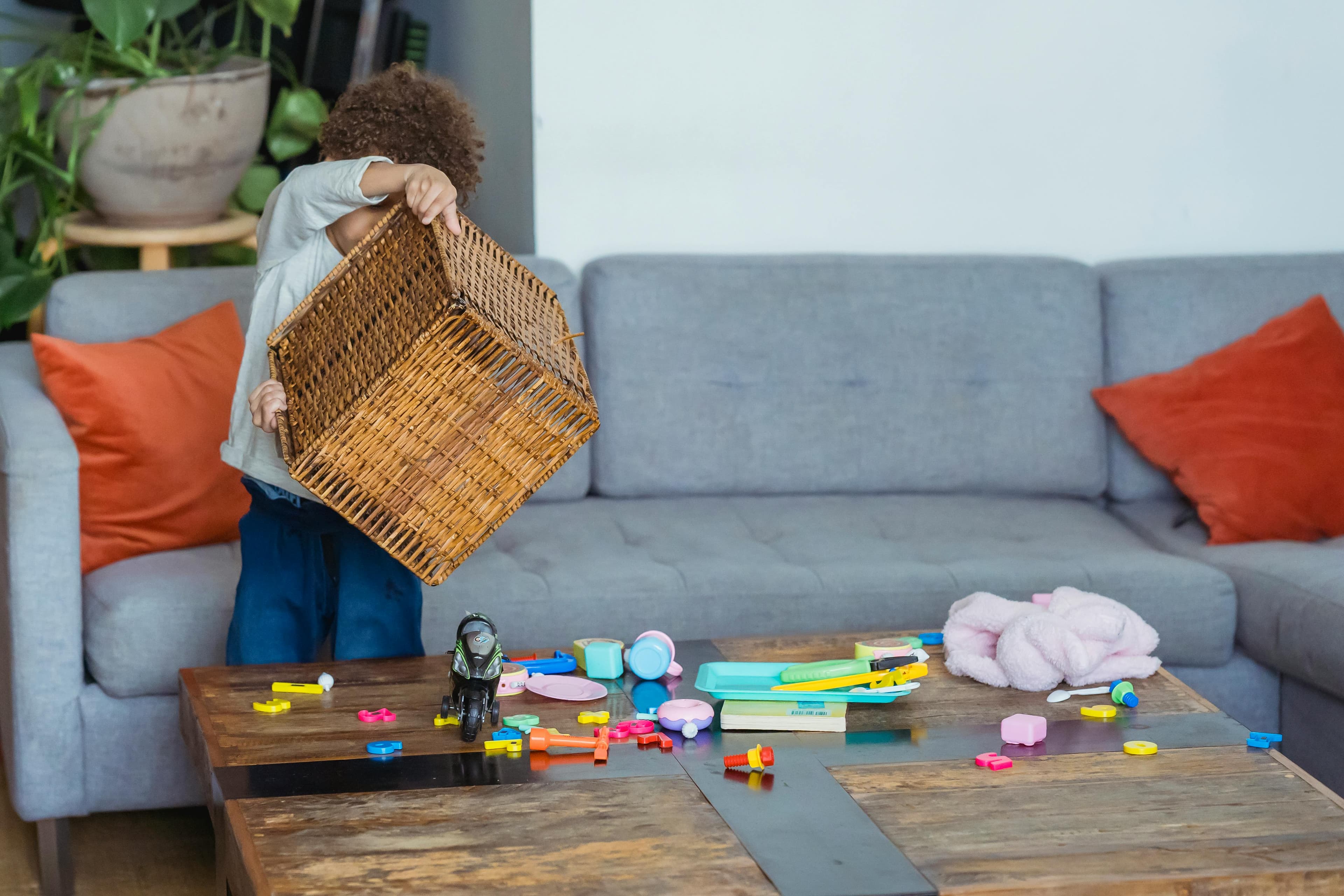
Photo: Keira Burton for Pexels
When it comes to kids’ products, most parents are told to focus on one thing: safety. And yes, safety is non-negotiable. But after nearly two decades reviewing children’s products professionally, serving on ASTM safety committees for juvenile products, and testing thousands of items both in lab settings and in real homes (including my own, with three young kids), I can confidently say this: safety is the starting point, not the full picture.
Safety certifications tell you a product meets minimum standards for materials, construction, and basic use. They do not tell you whether a product will be intuitive for a child, durable over time, developmentally appropriate, or actually usable in daily life. That gap between “safe” and “successful” is where expert evaluation matters most.
Experts like myself look beyond labels to assess how products function in real environments, with real children, across different ages, abilities, and sensory needs. Because a product can technically pass every safety test and still be frustrating, overstimulating, poorly designed, or quickly abandoned.
This guide breaks down what actually matters once safety is assumed, so you can make thoughtful, confident choices without overthinking every purchase.
Safety Is the Floor, Not the Finish Line
Safety certifications are essential. They exist to ensure products meet established standards for materials, construction, and basic use. But once a product clears that bar, everything else still matters: how it’s used, who it’s designed for, and how it fits into daily life. Two products can be equally “safe” and have vastly different outcomes in practice.
What Experts Pay Attention to Next
1. How the Product Is Actually Used (Not How It’s Marketed)
As an expert, I pay close attention to how kids interact with products in reality, not how they’re shown in photos or videos. I question whether the product is intuitive for a child to use independently, whether it requires constant adult correction or setup, and whether it encourages engagement (or may just be frustrating!). Products that look impressive but are difficult to use often end up abandoned, regardless of their intentions.
2. Developmental Alignment, Not Age Labels
Age ranges are rough estimates. They don’t account for kids’ individual developmental pace, different learning styles and neurodiversity. That’s why I look at the skills supported, not just age brackets. I look at things like the fine motor and gross motor demands required for the toy. The cognitive load that will be placed on a child to use the toy. And the sensory input the toy will provide to the child. A well-designed product meets children where they are, and allows room to grow, instead of forcing them into a narrow expectation.
3. Durability and Wear in Real Life
Kids’ products are subjected to drops, spills, repetition, and less-than-gentle handling. While testing is done to look at these things, I like to see how a product maintains function over time, and whether it will degrade gracefully, or fail suddenly. I want to see if it can withstand repeated use without becoming unsafe or unusable. Durability isn’t about indestructibility. It’s about whether a product holds up long enough to be worth owning.
4. Sensory Experience (Even When It’s Not Labeled “Sensory”)
Every kids’ product creates a sensory experience, whether it’s marketed that way or not. I like to factor in the texture, the sound experience, the visual complexity, the weight and resistance, the smell, and more when reviewing a toy. Depending upon the child and product, toys can overwhelm, overstimulate, or feel unpleasant. This often leads to kids disengage long before adults realize why. Good design tends to feel calm, balanced, and respectful of a child’s nervous system, even when it’s playful.
5. Flexibility Across Ages, Stages, and Abilities
As a mom of three and toy expert, I have found that the products that tend to last allow multiple ways to play, adapt as skills develop, and avoid a single “right” outcome. I value open-ended design because it supports creativity, problem-solving, and inclusion across different abilities. Flexibility is often a better indicator of value than novelty.
What Matters Less Than Parents Are Led to Believe
Some features are heavily marketed but less impactful in real use, such as overly complex educational claims, excessive modes or buttons, or rigid instructions that limit exploration. If a product requires constant explanation, reminders, or adult mediation to be enjoyable, it’s usually not doing the work it promises to do.
A Smarter Way to Evaluate Kids’ Products
Instead of asking only, “Is this safe?” (which should already be established), consider how your child will realistically use the product. Does it match their current abilities while allowing for growth? Will it feel good to use repeatedly? Does it reduce friction in play, rather than add to it? Asking these questions upfront often leads to more regulated play experiences and better long-term value.
The Bottom Line
Great kids’ products don’t just meet safety standards, they respect children as real users. They’re intuitive, durable, developmentally thoughtful, and flexible enough to grow alongside the child using them. When you look beyond labels and focus on real-world function, choosing well becomes simpler, more confident, and far less overwhelming.
Rachel Rothman is a mechanical engineer and consumer product expert with deep experience in product testing, evaluation, and industry standards. She applies a rigorous, performance-first approach to assessing products across categories, translating technical insights into clear guidance that helps consumers make informed decisions.