The Key Wellness Trends Defining 2026, According to Experts
The Global Wellness Summit just released its 2026 trend report. Here's what their experts say is shaping the year ahead.

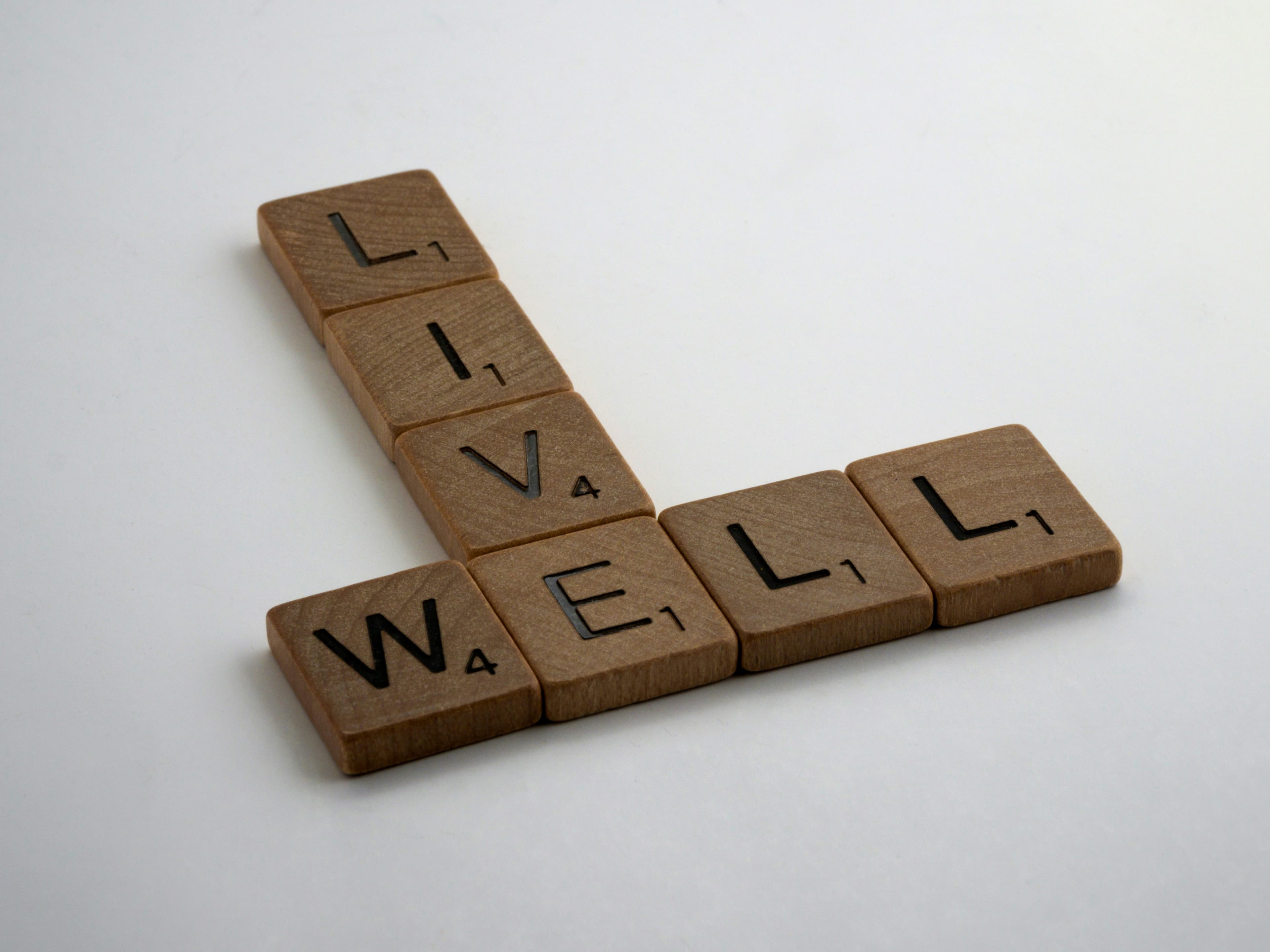
Photo: Brett Jordan for Unsplash
There’s no shortage of wellness advice out there—much of it contradictory, some of it questionable, and a lot of it designed for quick fixes rather than lasting health. Between buzzy supplements and injectables, miracle devices, and algorithm-driven advice, it’s easy to feel overwhelmed or get lost in a rabbit hole of confusion. That's why evidence-based information and trusted sources are so important.
For two decades, the Global Wellness Summit has been working across sectors and academia to share the key trends shaping health and wellbeing. They were among the first to report on seismic industry shifts, like intermittent fasting, wellness tourism and the rise of athleisure, which are all totally mainstream today.
At their recent media and press event, they revealed their 2026 predictions in their annual Future of Wellness report, a deeply researched 150-page document based on insights from hundreds of global experts. Unlike social media fads, this report helps us truly understand the big shifts in science, research, culture and consumer behavior and spending—and what it all means for how we’ll live, age, and take care of ourselves in the coming year and beyond.
One not-surprising fact: the size of the wellness industry just keeps growing. Business consulting and research firm McKinsey & Company values it at $2 trillion and other sources value it much higher. "Even as consumers cut back elsewhere, wellness spending isn’t slowing," said Beth McGroarty, VP, Research & Forecasting, Global Wellness Summit and Global Wellness Institute. "The wellness industry isn’t just resilient. It’s anti-fragile. It actually grows under stress and shocks.”
The Best of the Year team was there at the media and press event to hear the 2026 wellness trends firsthand, and we're excited to share our key takeaways distilled into the five mega trends.
Trend #1: Longevity Gets Real (With a Long-Overdue Focus on Women’s Health)
If there's one word that dominates the current wellness conversation, it's longevity. Bar none, it's the buzziest buzzword. (For a deeper dive into longevity, check out Longevity, Unpacked.) And for years, it's been defined by an extreme, male-centric vision: relentless optimization, endless data, biohacking as a lifestyle. “Think about the face of longevity," says McGroarty. "It’s a tech bro… strapped into his biohacking pods in his quest to live to be 200.”
While that version of longevity sold a lot of cold plunges, it largely ignored female audiences. Not anymore. Fortunately, longevity in 2026 is about living better, longer, with a sharper focus on women’s health. Speaker after speaker emphasized that women outlive men, but with more years of illness, more autoimmune disease, more dementia, more osteoporosis.
McGroarty didn’t sugarcoat the research process: “Researching this trend was a hard, painful, and belated education. I was angry. Furious, actually,” she said. But the good news is increased investment in menopause care, hormone health, cardiovascular risk in women, and musculoskeletal aging—areas long underfunded and under-discussed. Even "skin longevity" is having a moment, shifting the conversation from anti-aging to barrier health, inflammation control, and cellular resilience over time.
The takeaway? Women’s longevity can’t be an afterthought or a menopause side hustle. It requires a whole-life approach starting far earlier than we’ve been taught. As the speaker put it, women’s longevity medicine “means thinking beyond menopause and intervening across every decade—from your 20s to your 90s.”
It could even mean living in a longevity-focused residence or community. In other words, one that is designed around movement, social engagement, medical access, and purposeful connection. These aren’t retirement homes rebranded; they’re lifestyle-forward environments built around proactive health and connection.
Trend #2: Nervous System Health is a Foundation of Wellness
Mental wellness in 2026 is all about regulation and understanding how the nervous system responds to stress, stimulation and recovery. It also makes more room for neurodiversity, from ADHD and autism spectrum to sensory processing differences and anxiety disorders. It’s shaping how wellness products, workplaces, fitness classes, and even hospitality experiences are designed.
Heidi Moon, who presented the trend, explained why it’s rising now: modern life has broken the nervous system’s natural rhythm. “Stress is not a single event anymore,” she said. “It’s our background. It’s always on.” But the emphasis has changed. Instead of constant tracking and gamification, there’s growing interest in low-stimulus experiences, analog rituals, breathwork, somatic therapy, and nervous-system-informed movement. It's about understanding that not everyone needs—or benefits from—the same inputs.
What it means for you: More permission to listen to your body and nervous system, and fewer one-size-fits-all solutions.One of the most practical—and quietly transformative—trends of 2026 is neural wellness.
Neural wellness isn’t about mental health or brain training. As Moon explained, “It’s about whole-body health through regulation of the nervous system.” Then she added the line that should be printed on every wellness pamphlet: “It’s the master switch. You flip it, and everything changes.”
Wearables play a surprising role here. “Wearables have made stress visible,” Moon explained. “When you put a number to it, people start paying attention.” That’s why sleep has become what she called “the gateway drug to neural wellness.” With roughly 70% of adults reporting sleep issues tied to stress, anxiety, or depression, nervous system regulation is no longer niche—it’s foundational.
Trend #3: Social Wellness and Community Connection Take Center Stage
Loneliness is now widely recognized as a public health issue, and the wellness industry is responding by prioritizing community, belonging, and real-world connection. From group fitness and communal bathing to retreats, shared meals, and wellness-centered travel, the focus is on experiences that bring people together.
“Group activities, peer support networks, and community engagement are recognized as essential elements of holistic wellness,” says tktkt. One way this trend is showing up across cities and regions is what many call the “festivalization” of wellness. These are immersive, often multi-day experiences that blend movement, music, learning, and shared ritual—borrowing from festival and rave culture to create spaces that prioritize connection over perfection and participation over performance. Think less silent retreat, more joyful, collective experience.
It's also showing up in more everyday wellness experiences, with a return to in-person group fitness, communal bathing, retreats, shared meals, and wellness-centered travel are all on the rise, reflecting a broader move toward experiences designed to bring people together rather than isolate them.
The forces driving this trend are cultural as much as emotional. Loneliness has reached crisis levels globally, while younger generations are drinking less, craving community more, and searching for joy that doesn’t come with burnout or a hangover. As one line from the Summit captured it perfectly, “Community is the new luxury, and shared joy is its currency.”
The examples are global and diverse—from morning coffee “raves” in South Korea to fitness festivals that feel more like celebrations than competitions. Across cultures, the goal isn’t aesthetic perfection or peak performance; it’s presence. Publications like Vogue have also highlighted this shift, noting how wellness is becoming more social, expressive, and less austere.
So remember, wellness doesn’t have to be lonely—or serious—to be effective. If your routine feels isolating, that’s not a failure; it’s a signal. Try swapping one solo habit for something shared: a walking group, a dance class, or a standing friend date. Wellness that includes joy — and other people — is far more likely to stick.
Trend #4: Self-Protection Replaces Self-Care in an Uncertain World
For decades, wellness promised prevention—against disease, burnout, and emotional collapse. In 2026, that promise expands in a more sobering but necessary direction: self-protection. At the Global Wellness Summit, two of the most consequential trends reframed wellness as something broader than personal optimization, bringing disaster preparedness and environmental health squarely into the conversation.
The idea was summed up in a phrase that resonated throughout the Summit: “Ready is the new well.” Presenters argued that disaster preparedness is fast becoming a form of preventative wellness—not because people are fearful, but because climate instability is no longer abstract. As they noted, “Social media brings disasters into our feeds in real time,” fueling eco-anxiety even among those who haven’t experienced one firsthand. Their prediction was striking: “The next decade will be defined by everyday resilience—where having a disaster plan becomes just as essential as having a workout plan.”
Importantly, this shift isn’t about panic or turning safety into a luxury. “It’s about peace of mind through proactive, accessible solutions,” the presenters emphasized. Preparedness is increasingly viewed as part of routine care—encompassing mental resilience, physical readiness, and community interdependence. From neighborhood fire brigades to preparedness tools designed for families, the message was clear: resilience works best when it’s shared.
That same lens of protection extends inward—to the body itself. Another of the Summit’s most urgent conversations reframed microplastics not as an environmental issue, but as a human health one. Dr. Gerry Bodeker put it bluntly: “Microplastics are everywhere… and it turns out they’re everywhere in our body as well.” Research now shows microplastics crossing the blood–brain barrier and appearing in the heart, lungs, and reproductive system—making them, as Bodeker described, “a species-wide threat to longevity and healthspan.”
At the same time, the Summit struck a careful, grounded tone. While experimental interventions designed to remove microplastics from the blood are emerging, Bodeker offered a critical reality check: “Taking plastic out of the blood is not the same as taking it out of tissue.” That distinction matters—especially as expensive detox-style solutions begin to surface.
What this means for you: the future of wellness isn’t about chasing miracles or eliminating risk entirely. It’s about practical self-protection—reducing exposure where possible, filtering water, prioritizing fiber, sleep, and movement, and being skeptical of any solution that promises dramatic results without transparent science. In 2026, wellness looks less like perfection—and more like preparedness, resilience, and informed care.
Trend #5: The Backlash to Over-Optimization and a Return to Intuitive Wellness
After years of tracking, scoring, and tweaking every aspect of health, a quiet rebellion is underway. While personalization remains important, many consumers are pushing back against over-optimization — the pressure to constantly improve, quantify, and “fix” themselves. Wearables and biomarkers still matter, as noted previously: “Wearable devices are not just tracking steps and sleep anymore; they’re measuring biomarkers in real time to optimize health.”
But in 2026, those tools are being used more selectively. People want insights, not anxiety. Guidance, not judgment. The next phase of personalization is about supporting intuition, not replacing it—combining data with lived experience, and allowing room for flexibility, pleasure, and rest.
What it means for you: The healthiest routine is one you can actually live with.If you’ve ever felt stressed because your wearable told you you were stressed, this trend is for you. Jessica Smith, who presented the Summit’s “Over-Optimization Backlash,” named the paradox perfectly: “We can measure health more precisely than ever. And yet, it’s never felt so psychologically demanding.”
Then came the line that landed hardest in the room: “Health is no longer something we sense. It’s something we perform correctly.” Sleep scores. Glucose graphs. Aging clocks. What started as empowerment has quietly become self-surveillance.
A 2024 study cited at the Summit found that 61% of people feel pressure to appear well, and nearly half report wellness burnout—not from illness, but from the expectation to constantly improve. This doesn’t mean tech is disappearing. It means people are demanding tools that work with their bodies—not against them.
Even brands are starting to acknowledge the fatigue. Smith pointed to cultural pushback against hyper-engineered routines, and noted that the next phase of wellness won’t be defined by “how hard we optimize, but how intelligently we learn to work with the body.”
Pick two metrics to care about for a defined window (say, sleep consistency and strength training), and ignore the rest. When everything is measured, nothing feels meaningful. And remember: if a wellness routine strips away joy, connection, or intuition, it’s probably not sustainable—no matter how “optimized” it looks on paper.
For the complete Global Wellness Summit Future of Wellness 2026 Trend Report or to view trends from previous years, visit their website.
Laurie Jennings is an award-winning writer and trusted editorial expert with expertise across health, travel, home, parenting, automotive and other consumer lifestyle categories, including product reviews and shopping advice. She turns rigorous product testing results into clear, actionable insights to help readers make smarter decisions.