The Toy Trends To Look Out For in 2026, from Toy Experts
Insights from Toy Fair’s 120th year point to a clear shift toward comfort-led, design-forward, multi-generational, and open-ended play experiences built for real-world longevity.

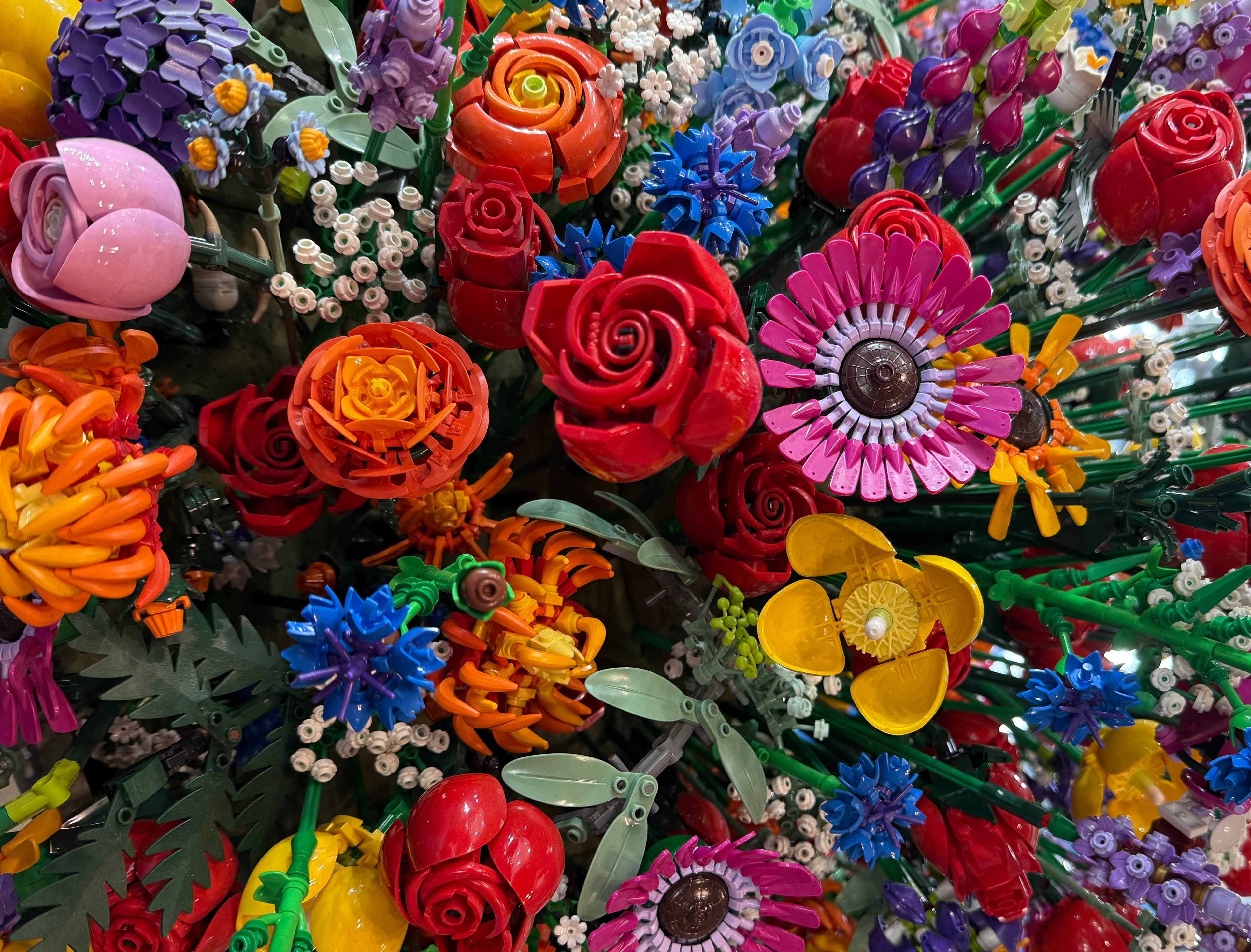
Photo: Rachel Rothman at Toy Fair
Each year, the global toy industry gathers in New York at Toy Fair, a trade show that has quietly shaped what ends up on store shelves, gift guides, and in homes for more than a century. Now in its 120th year, the event brings together manufacturers, designers, retailers, licensors, and product teams from around the world to preview what’s launching later this year, and what’s coming next. It’s one of the earliest and most concentrated looks at where the category is actually heading, long before holiday assortments and trend reports reach the public.
A major throughline this year: play is being designed less like a one-time “wow” moment and more something to come back to, again and again, regardless of age. As Adrienne Appell, EVP of marketing communications at The Toy Association, put it: “Play is no longer defined by age.”
After several days of walking the floor, reviewing launches, and listening to the annual trends briefing, we have a clear sense of what will shape store shelves, playrooms, and product pipelines for the year ahead. Here are the toy trends we expect to meaningfully shape 2026, from a product performance, longevity, and real-world use perspective:
Comfort-Led Play: Across categories, there was a noticeable rise in tactile, squish-friendly, and sensory-considered products. "Cozy culture" was evident in softer materials, calmer color palettes, and repeatable, touch-based interaction. This aligns with a growing emphasis on toys as tools for comfort, regulation, and connection, not just stimulation.
Design-Forward Play: More play objects felt intentionally display-worthy, with aesthetically considered color stories, tactile materials, and formats designed to live on desks, shelves, and in everyday spaces rather than being tucked away. Botanicals, museum-style collaborations, and collector-grade finishes signal a shift toward play objects that double as design objects. When a product is aesthetically considered, it is far more likely to be revisited and retained.
Multi-Generational Appeal: One of the clearest evolutions is how many products are being created with both children and adults in mind. Collectibles, tabletop games, nostalgia-informed revivals, and premium builds all reflected a category that is positioning play as lifelong rather than age-bound.
Open-Ended Systems: We saw a continued move toward modular kits, creator-style builds, and customizable formats. This mirrors how kids engage today, they want to make, design, and iterate, not just activate a toy once. From a longevity lens, open-ended play consistently outperforms single-use gimmicks.
Identity-driven and Display-Forward Play:Bag charms, minis, expressive companions, and fandom-linked collectibles are expanding beyond traditional play into personal objects. Increasingly, toys function as extensions of personality, humor, and aesthetics, especially for tweens, teens, and design-conscious households. Jennifer Jaye, LCSW and kids' play therapist, notes that “self-expression and style become meaningful parts of identity formation and confidence,” which helps explain why these objects are shifting from “toys” into daily personal gear.
Fandom and Cultural Ecosystems: Licensing tied to streaming content, film, sports, and digital culture continues to accelerate. Rather than hinging on a single movie release, toy pipelines are now built around ongoing cultural ecosystems, extending engagement well beyond launch windows.
Nostalgia Reinterpreted: Nostalgia is still a strong driver, but what stood out was how heritage formats are being refreshed with modern mechanics, updated aesthetics, and cross-generational storytelling rather than simple re-releases. These classic formats feel culturally relevant, not purely memory-driven.
Emotionally Durable Play: Perhaps the most important undercurrent of the show was that toys are being designed for repeat interaction and emotional engagement, not just initial excitement. Comfort, creativity, self-expression, and connection are increasingly embedded into product design itself. Juliana Blum Bryansmith, educational consultant, adds that when design reduces unnecessary sensory strain, it “frees up energy for learning” and in play, that often looks like longer engagement, better regulation, and fewer meltdowns triggered by discomfort.
Consumer Takeaway
If distilled, the 2026 outlook suggests an industry moving away from flashy, short-lived novelty and toward human-centered, design-conscious, and emotionally supportive play experiences. From an expert evaluation standpoint, this shift matters. Products that are tactile, open-ended, aesthetically integrated, and multi-generational tend to demonstrate stronger real-world longevity, and that direction was consistently reflected across the show floor.
Rachel Rothman is a mechanical engineer and consumer product expert with deep experience in product testing, evaluation, and industry standards. She applies a rigorous, performance-first approach to assessing products across categories, translating technical insights into clear guidance that helps consumers make informed decisions.