What to Look for When Buying Toys That Grow With Your Child
Most toys are outgrown quickly. Learn how to choose toys that adapt across ages, abilities, and interests — and stay engaging over time.

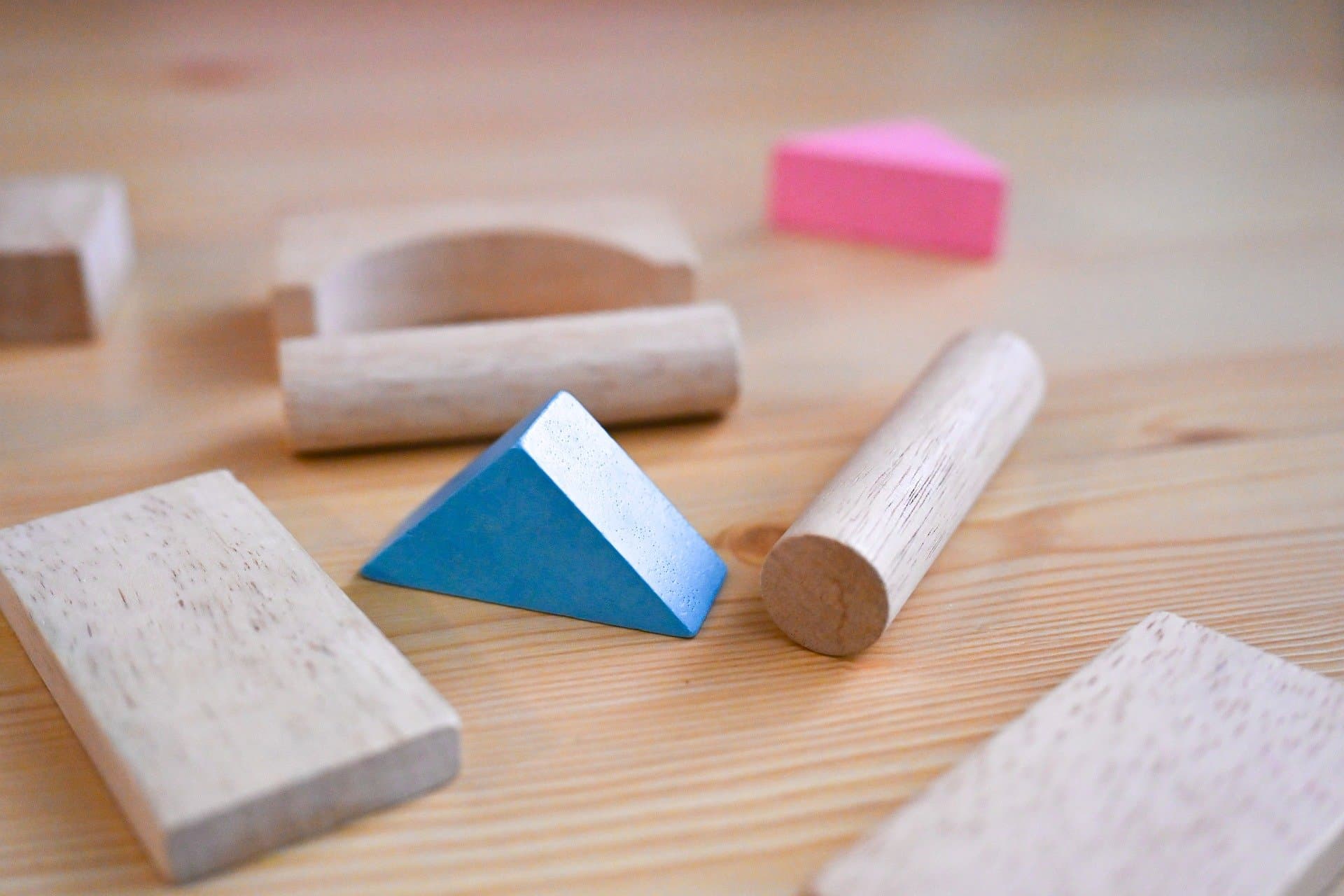
Cecilie G courtesy of Pixabay
If you’ve ever watched a brand-new toy lose its appeal in a matter of weeks, you’re not alone. Many toys are designed around novelty with bright packaging, big promises, and an unfortunate short window of actual interest. What’s less visible is the cost of that cycle. Short-lived toys don’t just contribute to clutter, they subtly shape how children experience play. When stimulation replaces exploration, children begin to expect constant novelty instead of sustained discovery. Over time, that can narrow attention, reduce frustration tolerance, and limit creative problem-solving.
But some toys stick. They resurface day after day or are used over months or even years. They get pulled back out during different stages, used in new ways, and rediscovered as children grow. That longevity is rarely accidental, but rather the result of design choices that prioritize flexibility, curiosity, and real-world use over instant excitement.
Toys tend to fall flat when they are too rigid in their requirements. They offer a prescribed "right" way to play or they require a narrow set of skills. As Jennifer Jaye, LCSW and DIR/Floortime clinician puts it, “once the nervous system believes that is should be doing something differently, it immediately dysregulates. Toys that create pressure or a single correct outcome narrows thinking fast, whereas toys that invite exploration keep the system open to possibility."
Some may depend on novelty like a singular wow-worthy unboxing without much engagement thereafter. In these cases, once a child masters the intended interaction, or loses interest, there’s nowhere else for the toy to go. Toys that last, on the other hand, leave room for growth and interpretation.
This guide draws on nearly two decades of professional toy evaluation plus hands-on testing with my three kids, as well as insights from Jaye and educational consultant Juliana Blum Bryansmith of Wee-Wellness Neurodiversity Parent Support Programs. The guide is designed to help parents spot toys that will actually grow with their child.
How Play Evolves Over Time (Developmental Context)
According to frameworks from the CDC’s developmental milestones and organizations like Pathways.org, play changes significantly across early childhood.
In toddlerhood (roughly 1–3 years), play is sensory and motor-driven. Children explore through stacking, dumping, mouthing, banging, and testing cause and effect.
In the preschool years (3–5), symbolic thinking expands. Blocks become buildings. Figures become characters. Materials become props in imagined worlds.
In early elementary years, children layer in rules, narratives, systems, and social collaboration. They invent games, create challenges, and negotiate shared play.
The takeaway is simple: toys that last don’t “match” one phase, they travel across phases. The best ones support sensory exploration early, imagination next, and systems thinking later, without needing a new version of the toy.
Toys that grow with a child are not tied to one of these phases, they support all of them. A simple set of wooden blocks might begin as an exercise in balance and coordination for a two-year-old. By four, those blocks become structures in elaborate pretend worlds. By six or seven, they’re used to construct cities with traffic patterns, bridges engineered for stability, or settings for collaborative storytelling. The material remains constant; the cognitive demand evolves. This ability to stretch across stages is a major distinguishing feature for enduring toys.
What to Look for When Buying Toys That Actually Last
After nearly 20 years assessing toys professionally and speaking with child development professionals, we’ve identified several key factors that allow toys to evolve alongside a child.
The Five Design Features of Toys That Grow With a Child
- 1. Open-ended design
- 2. Skill progression without pressure
- 3. Sensory balance
- 4. Multiple entry points for belonging
- 5. Flexibility across interests and moods
Open-Ended Design Matters More Than Age Labels
Jaye explains, “Toys that grow well don’t prescribe outcomes, but allow for reinterpretation across developmental stages. The same material can support stacking one year and storytelling the next, because the child, not the toy, drives the meaning. The best toys don’t teach children what to do, they give the child room to grow into new ways of using them.”
When a toy dictates a single correct interaction, engagement typically ends once that interaction is mastered. When it leaves room for interpretation, children bring more of themselves into the experience, which supports flexibility, sustained attention, and self-direction.
That distinction matters developmentally. Open-ended materials encourage flexible thinking, sustained attention, and self-direction, skills closely tied to emerging executive function in early childhood. The toy becomes a tool for thinking, not just an object for pressing or activating.
Magnetic tiles, for example, may begin as a simple stacking activity. Over time, they support symmetry, architectural experimentation, marble runs, collaborative design, and narrative play. The child revisits the same materials but extracts new challenges from them.
Skill Progression Without Pressure
The best toys naturally scale with ability. As children grow, they find new challenges within the same materials. They may use the toy differently based on interest, maturity, or energy level, and return to it with a fresh perspective. Importantly, this progression feels organic rather than evaluative. The toy doesn’t signal “level completed.” Instead, it invites iteration.
For example, a magnetic tile set may begin with simple stacking. Later on, it can help support symmetrical design progression. And eventually it can become a part of storytelling, marble runs, or collaborative builds. The child experiences mastery without the pressure of “moving up.” Similarly, think of art materials. A toddler may experiment with texture and motion using crayons or paint. A preschooler begins representing ideas. An older child uses the same materials to plan, draft, and refine more detailed compositions. The materials don’t become obsolete; they become more powerful.
Sensory Balance Supports Long-Term Engagement
Toys built around constant lights, sounds, and high-intensity feedback often capture attention quickly, and lose it just as fast. Children’s sensory systems are still organizing in early childhood. Toys that overwhelm visually or auditorily can fatigue attention rather than sustain it. In contrast, materials with balanced sensory input, pleasing textures, moderated sound, thoughtful visual design, are easier to return to again and again. When a toy feels good to use repeatedly, children are more likely to build sustained engagement with it.
Belonging as a Design Feature
Blum-Bryansmith notes that traditional toys can create invisible barriers when they rely on “implied social rules” or “a single ‘right’ way to engage.” When kids have to decode unspoken expectations just to participate, some end up sidelined, not because they lack ability, but because that design assumes a narrow path to play. Toys that offer multiple entry points (solo play, parallel play, cooperative play, open-ended creation) don’t just hold attention longer — they make it easier for more kids to feel “I belong here.”
Flexibility Across Interests and Moods
Children do not approach play with the same energy every time, and a toy that can accommodate that variability is more likely to be used time and time again. Jaye notes, “children play from the inside out. Play shifts because internal state shifts. Arousal, mood and experience is a dynamic process, as such, so are the child’s emotional and regulatory needs during play and how they act upon the toys.”
A neutral dress-up collection, for instance, can be used for quiet pretend play alone or for high-energy role play with peers. Simple figurines can support independent storytelling or complex group narratives. The versatility allows the toy to stay relevant even as interests fluctuate.
What Often Shortens a Toy’s Lifespan
Certain features can unintentionally limit longevity. Highly specific character themes, rigid narratives, and single-function electronic interactions often narrow the range of play. Once the script has been followed or the feature mastered, there is little left to explore. When a toy is mostly a scripted experience, it becomes something that is consumed rather than expanded upon. Without room for reinterpretation, play hits a ceiling fast.
Complex setup requirements can also discourage spontaneous engagement. If a toy demands adult assembly or repeated resets, children are less likely to return to it independently.
Jaye puts it plainly: “Children spend much of their day responding to adult expectations in a world that is often happening to them. Open-ended play restores balance by giving them space to initiate, make decisions, and experience genuine agency and power.”
Quick Checklist: How to Choose Toys That Grow With Your Child
When deciding whether a toy will grow with your child, I encourage parents to take 60 seconds and ask themselves these questions:
Can my child use this in 3+ different ways (build, sort, invent rules, collaborate)?
Does it work at different energy levels (calm solo play and higher-energy play)?
Is there room for growth without the toy announcing “level completed?”
Does it avoid a single “correct” outcome?
Can sensory input be adjusted or minimized (kid can control sound/light/input)?
Can I picture it being fun in 6+ months, not just impressive today?
If it’s difficult to envision those possibilities, that hesitation is often telling.
The Bottom Line
Toys that last aren’t louder, flashier, or more advanced. They tend to be more thoughtful. They invite children back again and again, not because they demand attention, but because they continue to meet children where they are, and where they’re going next. When you buy with growth in mind, you buy less often, with more intention. And play becomes something that evolves, rather than expires.
Frequently Asked Questions About Choosing Toys
Rachel Rothman is a mechanical engineer and consumer product expert with deep experience in product testing, evaluation, and industry standards. She applies a rigorous, performance-first approach to assessing products across categories, translating technical insights into clear guidance that helps consumers make informed decisions.