Seasonal Daylight and Well-Being: What the Science Shows
We explore what research shows about how changing day length affects mood, sleep, and how it is experienced differently.

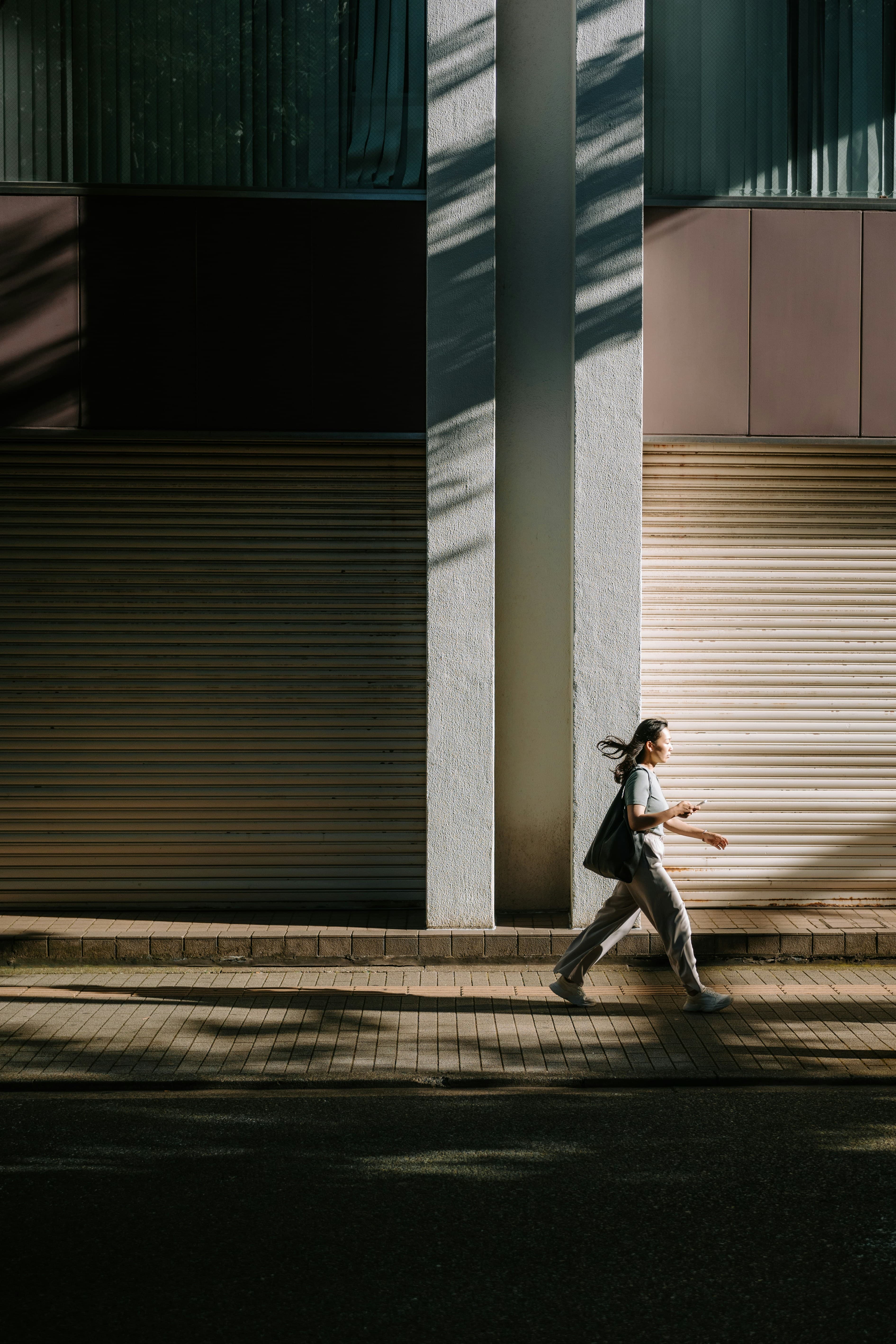
Photo: Takashi Sakamoto for Unsplash
By early February, the change in daylight becomes hard to ignore. After months of early sunsets, the days lengthen slowly at first—then suddenly, it’s unmistakably brighter at 5 p.m., a quiet signal that spring is on its way. That shift reliably lifts my spirits. In contrast, the loss of daylight in the fall often feels abrupt, compressed into just a few weeks—especially when it coincides with the end of daylight saving time.
Over the years, I’ve noticed that these seasonal shifts register very differently across people in similar environments. I’m very aware of the days shortening in autumn and lengthening after the winter solstice; my husband barely notices. In a previous office setting, many of my colleagues—mostly women—remarked on these changes almost in unison. These shared observations raised a simple but persistent question: why do some people seem far more attuned to seasonal changes in daylight than others?
There are many plausible explanations, from work schedules and access to natural light to daily routines and attentional habits. Looking for some clues, I dove into the scientific literature.
What follows is the result of that search: an examination of what research tells us about seasonal daylight, biological timing, mood, sleep, and well-being—where the evidence is strongest, where it is mixed, and what remains unresolved.
Seasonal Daylight, Explained
Seasonal changes in daylight are driven by Earth’s axial tilt and result in predictable shifts in day length—what scientists call photoperiod. These gradual changes are often conflated with daylight saving time (DST) or weather variation, even though they represent distinct phenomena studied in different ways.
Day length reflects the natural balance of light and dark across a 24-hour day. Daylight saving time, by contrast, is a socially imposed clock change that alters when we experience light, not how much daylight actually exists. Research on “light” therefore does not always measure the same thing: some studies examine seasonal changes in day length, others focus on clock changes, ambient solar radiation, or personal light exposure.
Daylight as a Biological Cue
In biological terms, day length acts as a signal rather than a passive background condition. Across species, seasonal changes in daylight help regulate hormones, brain activity, and physiology.
Although modern life relies heavily on artificial lighting, human biology has not lost sensitivity to seasonal cues.
Research in neuroscience (the study of the nervous system) and chronobiology (the study of biological clocks and how they respond to light and dark) shows that changes in daylight influence melatonin timing, stress-related hormones, and brain circuits involved in emotion and motivation. Artificial lighting can soften these signals, but it does not fully erase them—helping explain why seasonal patterns persist even in predominantly indoor lives.
Light and Individual Sensitivity
The circadian rhythm—the roughly 24-hour internal clock that regulates sleep, alertness, hormone release, and many other biological processes—is affected not only by how much light we receive, but also by when we receive it. Morning, evening, and nighttime light can have very different effects on circadian timing, sleep quality, alertness, and mood, even when total daily light exposure is similar.
This helps explain why seasonal changes feel more pronounced for some people than others.
Individuals sharing the same location may differ in daily schedules, sensitivity to evening light, or chronotype—the tendency to be a ‘morning person’ or ‘night owl.
As a result, the same seasonal shift in daylight can align smoothly with one person’s circadian rhythm while creating subtle misalignment for another.
Seasonal Effects Beyond SAD
Seasonal affective disorder (SAD) is often treated as the primary way seasonal light changes are discussed. Clinically, SAD refers to a recurring pattern of depressive episodes that follow a seasonal rhythm, most often emerging in fall or winter. While well established as a diagnosis, SAD represents one end of a broader spectrum rather than the typical response to seasonal change.
Research across populations shows that many people experience seasonal shifts in mood, sleep, energy, or well-being that never meet diagnostic criteria.
These changes may be modest or variable from year to year, yet still noticeable. Importantly, the absence of a diagnosis does not mean the absence of a seasonal effect—it may simply reflect how thresholds are defined.
Studies carried out largely in Nordic countries underscore this point. Even where seasonal changes in day length are extreme, the prevalence of SAD does not increase in a straightforward way with higher latitude—how far north a place is from the equator, which determines how much daylight changes throughout the year. At the same time, everyday measures of well-being often show seasonal patterning. Together, these findings suggest that responses to seasonal daylight are better understood as existing on a continuum, shaped by individual sensitivity and context rather than geography alone.
Effects on Mood and Sleep
Research linking seasonal daylight to mental health has produced mixed results, in part because different studies define both exposure and outcomes differently. Studies that follow the same people across different seasons, rather than comparing different groups at a single moment in time, offer clearer insights.
When following the same individuals over time, reduced daylight during winter months is associated with increases in depressive symptoms and sleep problems. These effects are generally modest but consistent in direction, suggesting that seasonal daylight can influence mood and sleep even when changes fall short of clinical thresholds. Disrupted sleep appears to result from shorter days leading to later sleep timing.
Physiological data support this pattern. Stress-related biomarkers such as cortisol show seasonal variation across populations, indicating that seasonal light changes are reflected not only in subjective experience but also in underlying biology.
Seasonal Light and the Brain
Beyond self-reported mood and sleep patterns, brain imaging studies show that seasonal changes in light are reflected in brain function. Regions involved in emotional processing respond differently depending on time of year and ambient light levels, suggesting that seasonal daylight can register at the level of neural circuits linked to mood regulation.
In particular, research has found seasonal variation in activity within the amygdala, a small brain structure involved in emotional processing.
These differences observed in non-clinical populations reinforce the idea that seasonal sensitivity does not require psychiatric diagnosis to be biologically meaningful.
Broader reviews of neurobiological research show that daylight influences neurotransmitter systems, stress pathways, and neuroplasticity—the brain’s capacity to adapt and reorganize—across species, with converging evidence in humans.
What Population-Level Findings Often Overlook
When examined at the population level, links between seasonal daylight and mental health often appear small, inconsistent, or absent. This can seem at odds with individual-level findings, but the difference largely reflects how these studies are designed.
Population studies frequently rely on broad indicators such as regional sunlight levels, prescription data, or diagnostic codes.
Averaging across people with very different routines and exposures can dilute subtle effects that are detectable within individuals.
Light Exposure is Not Evenly Distributed
Seasonal daylight exposure is shaped not only by geography, but by daily life. Work schedules, caregiving responsibilities, commuting patterns, and building design all influence when—and how much—natural light people actually receive.
Research in geography and public health emphasizes that light is something people experience differently, not a uniform environmental condition
Time spent indoors, access to windows, and flexibility in daily routines help explain why people in the same place can experience seasonal change very differently.
Conclusion
Taken together, research shows that seasonal changes in daylight can influence sleep, mood, and well-being through biological and behavioral pathways. These effects are most clearly observed when people are followed over time and are supported by physiological and brain-based evidence.
What stands out most is individual variation. Daily routines, access to natural light, work schedules, and circadian timing all shape how seasonal change is experienced.
In that sense, seasonal daylight offers a clear example of a broader shift in health research—away from universal effects and toward understanding how biology and environment interact differently across individuals.
For those who notice seasonal shifts in daylight more acutely, the slow return of longer days can feel like a quiet but meaningful change—one grounded in science and not imagination.
Birnur Aral, PhD, is a chemical engineer and consumer product expert with a career spanning research and development, testing, and sustainability. She brings a rigorous, evidence-first lens to product claims and consumer-facing topics.